 Back to Nova Southeastern University


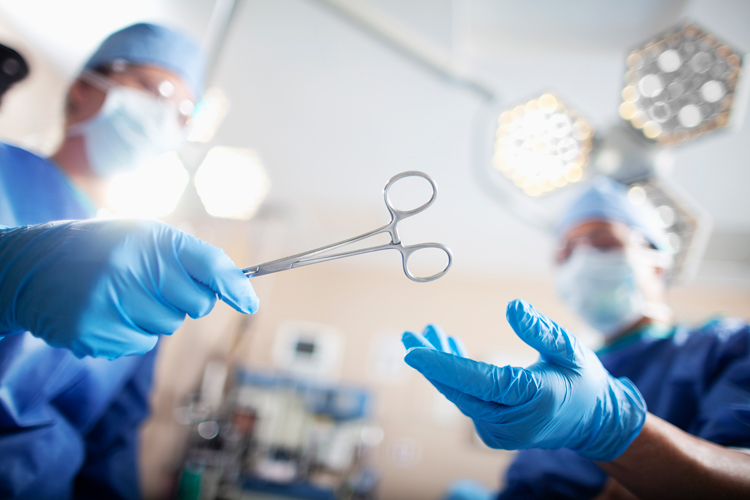
Nova Southeastern University’s (NSU) fully accredited Jacksonville Physician Assistant (PA) program is housed in a 60,000 square foot state-of-the art facility conveniently located just off Butler Blvd in the Southpoint area, in Jacksonville, Florida. We are excited to bring nearly 20 years of proven NSU PA education experience to the Jacksonville area
Students who graduate from the Program earn a Master of Medical Science (M.M.S.) degree. In addition, the PA Department offers a Physician Assistant/Master of Public Health (PA/MPH) Concurrent Degree Program, providing students with the opportunity to also earn a Master of Public Health (M.P.H.).
The program is supported by 10 full-time faculty members who are actively engaged in both classroom and laboratory instruction. The Physician Assistant Program in Jacksonville offers educational excellence through the extensive experience of its faculty.
The Program has a maximum enrollment of 60 students, offering a low student-to-faculty ratio. Through the resources of the College of Allopathic Medicine, we remain committed to academic excellence and helping students reach their full potential.
The program is committed to fostering a supportive and effective learning environment; matriculating qualified students who successfully complete the physician assistant curriculum; graduating physician assistant students who demonstrate the medical knowledge, clinical skills, and professional competencies necessary for entry-level practice; and preparing graduates to provide high-quality, patient-centered care. See our Vision, Mission, Goals, and Outcomes.

Program Information
The NSU Jacksonville Physician Assistant (PA) Program is a fully integrated 27-month professional graduate program that leads to a Master of Medical Science (MMS) degree after the completion of 144 credit hours. The curriculum integrates didactic and clinical education and prepares graduates
to be compassionate, competent healthcare providers who deliver high‑quality, patient‑centered
care. All students are required to complete the entire NSU PA curriculum, regardless
of previous academic education or experience.
The most current information pamphlet, university catalog, and application information
should be consulted for the most up-to-date information.
Didactic Phase (15 months)
The first phase of the program consists of four semesters of didactic education completed over 15 months. Through comprehensive classroom‑based coursework, students develop a strong medical knowledge base required for the clinical phase of the program. Laboratory experiences support and reinforce classroom learning by developing core clinical competencies, including history‑taking, physical examination, and technical and procedural skills. Standardized patients and Point‑of‑Care Ultrasound (POCUS) training are incorporated to support the development and application of these competencies.
Students must successfully pass all didactic courses before advancing to the clinical
phase of the program.
|
Summer I - May to August
17 credits
|
Fall - August to December
23 credits
|
Winter - January to May
29 credits
|
Summer II - May to August
20 credits
|
|
Anatomy - 4 credits
Face-to-Face Lecture / Lab
|
Microbiology - 3 credits
Face-to-Face Lecture
|
Physical Diagnosis III - 4 credits
Face-to-Face Lecture / Lab
|
Life Support Procedures and Skills - 2 credits
Face-to-Face Lecture / Lab
|
|
Physiology - 3 credits
Face-to-Face Lecture
|
Interpretation of Medical Literature - 3 credits
Hybrid Lecture
|
Clinical Pathophysiology II - 2 credits
Face-to-Face Lecture
|
Clinical Procedures and Surgical Skills - 4 credits
Face-to-Face Lecture / Lab
|
|
Physical Diagnosis I - 5 credits
Face-to-Face Lecture / Lab
|
Physical Diagnosis II - 3 credits
Face-to-Face Lecture / Lab
|
Clinical Medicine and Surgery II - 8 credits
Face-to-Face Lecture
|
Health Promotion and Disease Prevention - 2 credits
Face-to-Face Lecture
|
| Introduction to the PA Profession - 1 credit Face-to-Face Lecture |
Pharmacology I - 2 credits
Face-to-Face Lecture
|
Clinical Medicine and Surgery III - 8 credits
Face-to-Face Lecture
|
PA and Healthcare Dynamics - 2 credits
Face-to-Face Lecture
|
| Patient Centered Healthcare - 1 credit Face-to-Face Lecture |
Clinical Medicine and Surgery I - 8 credits
Face-to-Face Lecture
|
Pharmacology II - 4 credits
Face-to-Face Lecture
|
Clinical Genetics - 2 credits Hybrid Lecture |
| Pharmacodynamics - 1 credit Face-to-Face Lecture |
Principles of Diagnostic Medicine I - 3 credit Face-to-Face Lecture / Lab |
Principles of Diagnostic Medicine II - 3 credit Face-to-Face Lecture / Lab |
Clinical Pharmacology - 3 credits
Face-to-Face Lecture
|
|
Complimentary Medicine and Nutrition
2 credits Face-to-Face Lecture |
Clinical Pathophysiology I - 1 credit
Face-to-Face Lecture
|
Legal and Ethical Issues in Healthcare
2 credits
Hybrid Lecture
|
|
|
|
Clinical Behavioral Medicine - 3 credits
Face-to-Face Lecture
|
Clinical Phase (12 months)
The second phase of the program consists of three semesters of supervised clinical
education completed over 12 months. This phase includes nine rotations that range
from four to six weeks in length and provide hands‑on experience across required core
disciplines, as well as an elective rotation and a preceptorship. Students return
to campus after each rotation for required End‑of‑Rotation (EOR) activities that include
examinations, summative assessments, and faculty‑led seminars focused on clinical
practice and professional development.
During this phase, students are required to complete a graduate project, consisting
of a scholarly literature review on a faculty‑approved topic that is suitable for
publication.
|
August to December
19 credits
|
January to May
20 credits
|
May to August
16 credits
|
| Emergency Medicine - 6 credits | Pediatrics - 6 credits | Behavioral Medicine - 6 credits |
| Family Medicine - 6 credits | Prenatal Care and Gynecology - 6 credits | Clinical Elective - 6 credits |
| Internal Medicine - 6 credits | General Surgery - 6 credits | Clinical Preceptorship - 4 credits |
| Graduate Project - 1 credit | Graduate Project II - 2 credits |
*Clinical rotations vary in sequence and are conducted primarily in person, with telemedicine experiences incorporated where appropriate. Behavioral Medicine may be delivered via telemedicine.
Policies
Progression and Deadline for Completion of the Program
All students are required to complete the entire curriculum. The progress of each student through the curriculum requires continuous satisfactory academic and clinical performance. All courses are offered once a year, so a student may have an altered plan of study if not making satisfactorily progress each semester. This may extend the student’s program beyond the standard 7 consecutive semesters. There is a maximum four (4)-year time limit for program completion, which includes any approved leave of absence / administrative break and subsequent return to the Program.
Remediation Policy
The purpose of course remediation is to assure mastery of the material taught in a course, not only for earning good grades, but also to develop proficiency to guide decision-making in clinical and nonclinical situations.
Course Remediations
In alignment with the policies of the Dr. Pallavi Patel School of Health Sciences, students enrolled in the PA programs may remediate up to two courses during the didactic year. Remediation is not permitted for clinical year courses.
A student who has remediated two didactic courses and subsequently fails a clinical year course is referred to the Committee on Student Progress (CSP) for disposition, which may include dismissal.
A student who fails one clinical year course is referred to CSP for review and disposition, which may include dismissal.
A student who fails two clinical year courses meets the criteria for dismissal from the program.
Didactic Year Remediation
The PA program is an intense academic experience. Students will encounter both written and performance-based examinations. Failing to pass an exam has been shown to be due to gaps in knowledge or deficient test-taking skills. Therefore, the PA department has established guidelines for remediation to ensure students are remediating their deficiencies and achieving program competencies.
Exam Failure Remediation Policy
If a student fails to pass an exam, the student will be notified, and the course director, in collaboration with the academic director, will create an individualized remediation plan tailored to the student’s deficiencies as per specific program policy.
Deceleration Policy
The purpose of deceleration is to provide students with a structured opportunity to leave their original cohort due to medical circumstances, while remaining enrolled in the physician assistant (PA) program. This process allows students to rejoin the program with a later cohort and continue their education without permanent withdrawal.
ARC-PA Definition: “The loss of a student from the entering cohort, who remains matriculated in the physician assistant program.”
Deceleration may be recommended or approved in the following situations:
Process for Deceleration
Students may request deceleration for medical conditions that preclude their participation in the program. The student will meet with the Program Director and submit the request in writing. The student must submit documentation from their healthcare provider that states a student’s medical condition currently prohibits their full participation in the program, and discontinuation is appropriate at this time. A student desiring a medical leave of absence must be in good academic and professional standing in the program. Leave will not be considered in lieu of dismissal. If the deceleration is approved, the student is immediately withdrawn and will be re-enrolled in the next cohort, pending medical clearance. The student will have to repeat the entire program; courses will not be audited.
The Committee on Student Progress may also recommend deceleration for medical conditions that impact a student’s ability to be successful in the program. If the Committee on Student Progress recommends deceleration during the didactic year, the Committee will make an official recommendation to the Program Director. If the deceleration is approved by the Program Director, the student is immediately withdrawn and will be re-enrolled in the next cohort, pending medical clearance. The student will have to repeat the entire program; courses will not be audited.
Students on medical leave must notify the Program Director of their intent to return to the program by a specified date. Additionally, the student will need to submit documentation from the certifying healthcare provider that they are medically cleared to return to the PA program, can meet all the technical standards for enrollment, and can fully participate in all activities. Additionally, the program may refer the student to the university’s Office of Dean of Students to have a fit for duty assessment. Failure to follow this procedure will result in forfeiture of a student’s place in the cohort.
Note: Deceleration is not permitted during the clinical year. If a student requires a leave of absence during the clinical phase, the student must complete all clinical requirements upon return, resulting in a delayed graduation date. See the Clinical Year Handbook for more information. Any alteration in the normal curriculum progression may affect a student’s financial aid status or qualification for education-based financial aid. For specific counseling and advice, students should contact the College’s Office of Academic Affairs and the University’s Office of Financial Aid. The maximum length of time to complete the PA program is 4 years.
Withdrawal and Dismissal
The PA Program defers to the policies outlined in the Dr. Kiran C. Patel College of Allopathic Medicine Student Handbook regarding student withdrawal and dismissal. Students should refer to the handbook for detailed procedures, institutional, and program expectations.
Processing Student Allegations of Harassment and Mistreatment (A1.02g)*
Nova Southeastern University has established policies and procedures for processing student allegations of harassment and mistreatment. These policies are published, readily available, and consistently applied to all students.
Information regarding harassment and mistreatment reporting, investigation processes, and resolution can be found through NSU's Title IX Office. Students may report allegations to the Title IX office, or online Report a Concern.
Additionally, policies centered around student allegations of harassment and mistreatment will be found in the College of Allopathic Medicine Student Handbook.
Refunds of Tuition and Fees Policy and Procedures (A1.02h)*
The Nova Southeastern University PA Program follows the university's established policies for refunds of tuition and fees. These policies are published, readily available, and consistently applied to all students. The deadline dates for withdrawals and corresponding refund schedules can be found through the NSU Bursar's Office. Students should contact the Bursar's Office for questions regarding refund eligibility and procedures.
Program Policy Application (A3.01)*
Program policies apply to all students enrolled in the NSU PA program, its principal faculty, staff, and the program director, regardless of location. In some circumstances, a clinical affiliation agreement or memorandum of understanding may specify additional policies or policies that supersede those of the program.
PA Students Must Not be Required to Work for the PA Program Policy (A3.02)*
At no time during enrollment in the PA Program will any student be asked to work in any capacity for the PA Program, the College of Allopathic Medicine, or Nova Southeastern University.
PA Students Must Not Substitute or Function as Instructional Faculty or Clinical or Administrative Staff Policy (A3.03)*
Students will not substitute for or function as instructional faculty, clinical staff, or administrative staff at any time during their enrollment in the PA Program.
PA Students Must be Clearly Identified in the Clinical Setting Policy (A3.04)*
When identification badges are issued, students are expected to always wear their badges while on educational assignments and during all clinical rotations. Badges must be clearly visible and are not to be carried in wallets or pockets during educational activities. Students must be clearly identified to distinguish them from other health professions students and practitioners.
Student Exposure to Infectious and Environmental Hazards Policy (A3.05a-c)*
The Nova Southeastern University PA Program provides policies addressing student exposure to infectious and environmental hazards before students undertake any educational activities that would place them at risk.
These policies:
- Address methods of prevention
- Address procedures for care and treatment after exposure
- Clearly define financial responsibility
- Students receive training on infection risk and infection prevention procedures in accordance with Centers for Disease Control and Prevention (CDC) and Occupational Safety and Health Administration (OSHA) recommendations, standards, and regulations regarding bloodborne pathogens. Training occurs during program orientation and prior to clinical rotations.
Injuries and Accidents
Injuries and accidents of all kinds during regular class periods or required and elective clinical rotations should be brought to the attention of the hospital/clinic/practice, preceptor and the Program immediately following the incident. In the event of an accident or injury during instructional time, students should seek treatment at the NSU Student Clinic or a healthcare provider in close proximity to their location. Complete exposure reporting protocols can be found in the College of Allopathic Medicine Student Handbook on pages 168-169.
If a student has been exposed to a bloodborne pathogen, especially if any of the signs or symptoms of diseases caused by exposed pathogens have been experienced, the student should consult his/her physician or doctor as soon as possible.
Students must complete a Student/Resident Post-Exposure Form online. The form is located on the Environmental Health and Safety website.
Ultimately, the student is responsible for initiating care after exposure to possible bloodborne pathogens. The student may consult a private physician for guidance and assistance.
All costs are the sole responsibility of the student. Consistent with this financial responsibility, all students are mandated to always have active healthcare insurance while enrolled in the PA program.
While there is no guarantee or requirement for such, most of the clinical sites utilized by the NSU Physician Assistant Program can and will arrange for immediate care of students in the event of accidental injury or illness with minimal charge to the student, accepting the assignment of the student’s insurance. They will not, as a rule, take responsibility for subsequent costs involved in follow-up care, treatment, counseling, hospitalization, or preventive care.
The University does not assume liability for accidents, injuries, or exposures to blood or other body fluids while engaged in an experience related to your education.
Preclude Principal Faculty, the Program Director and the Medical Director from Participating as Healthcare Providers for Students Policy (A3.06)*
No healthcare services can be provided to a student enrolled in the PA Program by the program director, medical director, or any principal faculty, except in emergency situations.
Timely Access and/or Referral of Students to Services Addressing Personal Issues Procedure (A3.07)*
The PA Program curriculum encompasses a large amount of material presented at a rapid pace. Students may find that study techniques suitable at the undergraduate level may not be sufficient for the PA Program curriculum. The program provides timely access and referral to services addressing personal issues that may impact student progress, including:
- Academic counseling and advising
- Tutorial assistance
- Personal counseling services
- Mental health services
- Student wellness resources
- Faculty advisers are assigned to all students at the beginning of the program and meet at least once per semester with their advisees, or more often as needed. Academic monitoring and routine review of course exam results take place for all courses and clinical rotations by Program Faculty.
Students are welcome to discuss ideas, personal issues, or general concerns about student life with any member of the PA Program Faculty. Information about available services can be found through the Schools of Health Sciences and Rehabilitative Sciences Student Success Center in Canvas and Student Counseling and Well-Being Services through Henderson Behavioral Health.
Prospective and Enrolled Students Must Not be Required to Provide or Solicit Clinical Sites or Preceptors Policy (A3.08)*
Prospective and currently enrolled students are not required to provide or solicit clinical sites or preceptors. Students may provide suggestions, but all sites and preceptors will be vetted by the program to ensure the sites allow for students to meet the instructional objectives and learning outcomes required by the program.
Identifying and Securing Rotations
It is the Program’s responsibility to ensure students are not burdened with the task of identifying or securing their own clinical sites or preceptors. By doing so, the Program ensures that students can focus on their education and training without the added stress of finding clinical placements. The ARC PA Standard A3.08* emphasizes the Program's responsibility for this process to ensure all students have access to diverse and high-quality clinical experiences. Therefore, the Clinical Director oversees the assignment of student rotations. Students are to reach out to the Clinical Director for any questions or concerns about their rotation assignment.
Immunization and Health Screening of Students Policy (A3.09a)*
The Nova Southeastern University PA Program follows the most current CDC guidelines for healthcare provider immunizations. Students are required to follow all immunization requirements for healthcare workers based on current CDC health professionals' recommendations and applicable state mandates. Documentation of required immunizations and health screenings must be completed prior to beginning the program.
Program Information Published and Made Readily Available (A3.11a-g, i)*
The program publishes and makes readily available to enrolled and prospective students current program information, including:
a) ARC-PA Accreditation Status
The Nova Southeastern University PA Program's accreditation status as provided by the Accreditation Review Commission on Education for the Physician Assistant (ARC-PA) is Continued as presented here: Physician Assistant Program- Jacksonville under the "Accreditation" section.
b) Evidence of Program Effectiveness
The program demonstrates its effectiveness in meeting program goals. Detailed information can be found here: Vision, Mission, Goals, and Outcomes.
c) NCCPA PANCE Pass Rates
The current annual "NCCPA PANCE Exam Performance Summary Report Last 5 Years" listing pass rates is published no later than April 1st of each year.
d) Required Curricular Components and Delivery Methods
All required curricular components and their delivery methods are detailed on the Physician Assistant Program - Jacksonville webpage under the "Curriculum and Curriculum Timeline" dropdown section.
e) Academic Credit
The PA Program awards a Master of Medical Science (MMS) degree upon successful completion of 144 credit hours.
f) Estimates of Total Cost of Enrollment
Current estimates of tuition, fees, and other costs of enrollment can be found here: College of Allopathic Medicine Tuition and Fees under the section "Master of Medical Science (M.M.S.) Physician Assistant - Jacksonville.
g) Program-Defined Competencies for Entry Level Practice
The program's competencies for entry-level practice include medical knowledge, interpersonal skills, clinical and technical skills, professional behaviors, and clinical reasoning and problem-solving abilities. Complete competency descriptions can be found here: Program-Required Competencies.
h) Student Graduation Rate Information
Current annual student graduation rate information is published no later than April 1st of each year.
Required Academic Standards (A3.14a)*
Promotion from one grading period to the next is contingent upon the satisfactory completion of courses in each preceding grading period. Satisfactory completion is defined as achieving a passing grade in each course, which defines the academic standard required for all NSU PA Program courses. The Academic Standards can be found in the College of Allopathic Medicine Student Handbook on page 285.
Progress in and Completion of the PA Program Requirements and Deadlines (A3.14b)*
The progress of each student through the curriculum requires continuous, satisfactory academic and professional performance. No student may advance to the clinical year of study without satisfactorily completing all the requirements for the didactic year’s courses. All courses are required and must be successfully completed with a passing grade before advancing to the next semester and/or the clinical year.
No student may complete the clinical-year curriculum and graduate without satisfactorily completing all the requirements for the clinical-year coursework with a passing grade. The expected time to complete the program requirement is 27 months. There is a maximum four-year time limit for program completion, which includes any approved leave of absence/administrative break in enrollment and subsequent return to the program.
Any student failing a course or failing to exhibit satisfactory professional behavior will be referred to the Committee on Student Progress (CSP).
Remediation Policy and Procedures (A3.14c)*
The Program’s Remediation Policy and Procedures are located above under the Program Policies section.
Deceleration Policy and Procedures (A3.14d)*
The Program’s Deceleration Policy and Procedures are located above under the Program Policies section.
Withdrawal Policy and Procedures (A3.14e)*
The Program’s Withdrawal Policy and Procedures are located above under the Program Policies section.
Dismissal Policy and Procedures (A3.14f)*
The Program’s Dismissal Policy and Procedures are located above under the Program Policies section.
Student Grievances Policy and Procedures (A3.14g)*
Students have the opportunity to file grievances regarding academic or non-academic matters. Complete grievance procedures can be found within the College of Allopathic Medicine Student Handbook . (See page 58)
Additionally, depending on the nature of the grievance, student procedures may vary.
Student Appeals Policy and Procedures (A3.14h)*
Students have the opportunity to appeal decisions including, but not limited to, course grades, rotation grades, remediation requirements, deceleration, and dismissal. The appeal must provide adequate evidence that the decision was arbitrary, capricious, or not in accordance with published program policies. Complete information on the student appeals process is located in the College of Allopathic Medicine Student Handbook. (see page 212).
Grade Appeals Process:
Information regarding the Grade Appeal process can be found in the College of Allopathic Medicine Student Handbook. (See top of page 207)
Student Employment While Enrolled in the Program Policy (A3.14i)*
The intense schedule of educational activities and responsibilities associated with completion of the program constitute a very rigorous set of events with substantial time demands. It is for this reason that the program strongly advises against attempting to work while enrolled in the program. Students who choose to maintain employment must ensure that work commitments do not interfere with their ability to meet all program requirements and academic obligations. The Program strongly discourages outside employment during the student’s 27-month tenure.
Student Travel to Required Rotation Sites Policy (A3.14j)*
Students are responsible for their own transportation to and from all required rotation sites. The program will make reasonable efforts to place students at clinical sites within a reasonable geographic distance; however, students may be required to travel to sites outside the immediate area to meet program learning outcomes and complete required rotations.
Students are expected to have reliable transportation and should plan accordingly for associated travel costs. A complete list of students travel costs are located on the College of Allopathic Medicine Tuition and Fees page under the section "Master of Medical Science (M.M.S.) Physician Assistant-Jacksonville.
* Indicates ARC-PA Standard.
Professional Licensure Disclosure
| Degree Title (Concentration) | Level |
| Master of Medical Science, Physician Assistant | Graduate |
PROFESSIONAL LICENSURE DISCLOSURE STATEMENT
This Disclosure is strictly limited to NSU’s determination of whether the NSU Jacksonville Physician Assistant Program (the “Program”), if successfully completed, would be sufficient to meet the educational requirements for licensure or certification in a State, as defined as 34 C.F.R. § 600.2.
NOTE: This Disclosure does not provide any guarantee that any particular State licensure entity will approve or deny your application for certification or professional licensure. Furthermore, this Disclosure does not account for changes in state law or regulations that may affect your application for certification or licensure or occur after this disclosure has been made. If your career plans include pursuing professional licensure or certification in your chosen field, it is important to become educated on the credentialing requirements of the state in which you hope to practice by contacting the state’s licensure entity.
In accordance with 34 C.F.R. § 668.43, NSU has determined whether the Program satisfies State educational requirements for licensure as follows:
| PROGRAM MEETS EDUCATIONAL REQUIREMENTS | PROGRAM DOES NOT MEET EDUCATIONAL REQUIREMENTS |
| The Physician Assistant Program at Nova Southeastern University Jacksonville meets the educational degree completion requirements for licensure in all 50 states, the District of Columbia, and the US protectorates |
State licensure or certification requirements can vary from state to state, depending on each State’s laws and regulations. The State licensure entities are responsible for overseeing the educational and non-educational requirements for licensure or certification for their State.
We encourage all enrolled students and prospective students to contact their applicable State licensure entities to familiarize themselves with the specific professional licensure or certification requirements. For information on how to contact State licensure entities, please visit the U.S. Department of Education State Contacts webpage.
If you have trouble obtaining the information you need, or if you have any other questions regarding certification, please contact Dr. Robert Wagner at rwagner@nova.edu for assistance.
Accreditation
The Accreditation Review Commission on Education for the Physician Assistant, Inc. (ARC-PA) has granted Accreditation-Continued status to the Nova Southeastern University-Jacksonville Physician Assistant Program sponsored by Nova Southeastern University. Accreditation-Continued is an accreditation status granted when a currently accredited program is in compliance with the ARC-PA Standards.
Accreditation remains in effect until the program closes or withdraws from the accreditation process or until accreditation is withdrawn for failure to comply with the Standards. The approximate date for the next validation review of the program by the ARC-PA will be July 2036. The review date is contingent upon continued compliance with the Accreditation Standards and ARC-PA policy.
The program’s accreditation history can be viewed on the ARC-PA website at ARC-PA NSU Jacksonville Accreditation History.
Contact Us
Physician Assistant Program
Nova Southeastern University
6675 Corporate Center Parkway, Suite 112
Jacksonville, FL 32216
For more information, use our contact form.